Cocaine
cocen- Rock cocaine
- Stones
- Crack
- White
- Charlie
- Snow
- Coke
- Crack cocaine
- Sniff
- Ching
- Bing
- Powder
- Nose candy
- Bolivian marching powder
- Rocks
- Freebase
- Sniff
- Ching
Scientific Names: Benzoylmethylecgonine
Generic Names: Cocaine
Desired Effects:
- Euphoria
- Exhilaration
- Elation
- Extreme confidence
Side Effects:
- Insomnia
- Increases in heart rate and blood pressure.
- Loss of appetite
- Tension, aggression
- Paranoia
- Avoid using cocaine and alcohol together in a session. The risk of death is 18-25 times greater when alcohol and cocaine are used together.
- Avoid using any other drugs in combination with cocaine or to help you deal with the come down.
- Take care of your nose; snorting cocaine repeatedly can cause damage to the delicate nasal tissue. Chop powder as fine as possible. Rinse the nose with lukewarm salt water after snorting. Take a break from cocaine if you develop irritation or bleeding in your nose and give your body a chance to recover.
- Don't share any straws, banknotes, or snorting equipment as this can spread viruses like hepatitis or covid-19. Use a clean straw or make your own tube from unused clean paper.
- Look after friends in the same way you would want to be looked after.
- If someone is in trouble call for an ambulance. If they are unconsciousness - put them in the recovery position and then call for an ambulance.
- If you have the choice use your own clean glass pipe or pyrex stem, don’t use home-made pipes made from plastic or old cans.
- Never share pipes or mouth pieces.
- Clean your pipe and mouthpiece with an alcohol swab.
- Let the pipe cool down between hits to avoid mouth burns.
- Only use uncoated aluminium foil to smoke. Available from some needle exchanges.
- Never share injecting equipment including spoons, water pots and filters.
- Ensure you have enough injection equipment. Available for free from Needle Exchanges.
- Cocaine is an anaesthetic, so can mask pain at the injection site, leading to missed veins and abscesses.
- Never share injecting equipment including spoons, water pots and filters.
- Don’t use alone, there is nobody to help if you OD.
- Always have Naloxone available. Naloxone will temporarily reverse the effects of any opioids like heroin or methadone in your system.
- If someone is unconscious, put them in the recovery position and call an ambulance. Look after friends in the same way you would want them to look after you.
- Take care of yourself physically and mentally; make sure you get enough sleep and eat well daily. The stimulant effects of cocaine can interfere with your sleep patterns and can suppress your appetite. Eating regular healthy meals, getting enough sleep and good hygiene are all important aspects of staying healthy.
- Physical health can easily slip if you use cocaine frequently, particularly if you are using every day. If your physical health slips it can lead to more serious problems, affecting work and relationships.
- There is help and advice available for anybody worried about their cocaine use.
Short term risks
Tolerance, paranoia, anxiety, overdose (possibly fatal).

Desired risks
Euphoria, exhilaration, elation, confidence.
Long term risks
Strong psychological dependence, psychosis.
Long term risks:
- Tolerance
- Dependence, and withdrawal. Cocaine dependence can develop after even brief periods of regular use. As crack cocaine is more intense, it is thought more likely to lead to chronic dependence.
- Cocaine can cause a temporary drug related psychosis and trigger episodes in those with who are prone to the illness.
- Long term snorting of cocaine hydrochloride can cause serious damage to the nose.
- Long-term crack smoking causes serious damage to the lungs.
- Injecting crack cocaine carries an increased risk of overdose and sudden death, particularly as it is often injected with heroin, as well as an increased risk of blood borne viruses, infections, and soft tissue damage.
Short term risks:
- Paranoia
- Anxiety
- Seizure
- Dangerously high blood pressure
- Stroke
- Heart attack
- Sudden death.
In 2024 there were 1,279 deaths involving cocaine in England and Wales. Deaths are eleven times higher than they were in 2011. 258 of the deaths occurred with alcohol, a common mix for people going out socially. The risk of sudden death is 18-25 times greater when alcohol and cocaine are used together. However, a large proportion of cocaine deaths are likely to involve crack cocaine, as the effects are more intense when the drug is smoked, and it is often injected along with heroin.
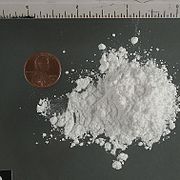
Cocaine is a stimulant drug most commonly seen as the white powdered form, cocaine hydrochloride. Crack cocaine is the free base smokable form of the drug seen in the UK. Crack is small off-white-coloured lumps or ‘rocks’.
If injected: needles & syringes, water, swabs.
If smoked: tinfoil, matches/lighter, crack pipe (bong) either commercially manufactured in glass/ pyrex or home-made from a drinks can or glassware.
Parents & other relatives
Drug agencies also provide lots of advice and support to parents of people using these drugs. Many street agencies can provide relative support groups or counselling for family members, partners etc.